
Mosquitoes in Thailand: a traveler's field guide
Where the risk actually sits, when it peaks, and how to keep a trip about the trip instead of the itch.
Thailand is one of the most visited countries in the world, and plenty of trips pass without a single bite worth remembering. Some do not. This guide covers what CDC (source: CDC Travelers' Health: Thailand, opens in a new tab) lists for Thailand, where the risk is concentrated, where to check current travel warnings, and how travelers plan a trip that does not revolve around a bottle of spray.
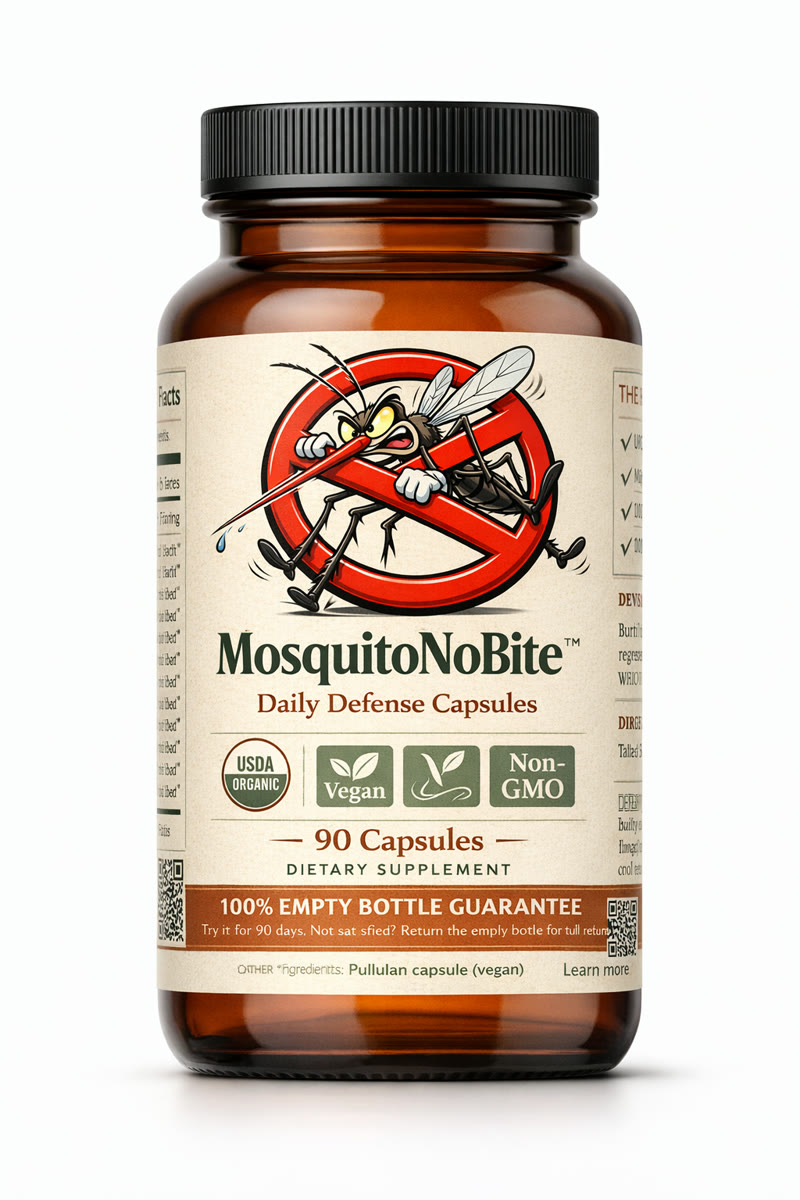
Pack light for Thailand
A natural, organic, vegan once-a-day capsule. Nothing to spray, rub in or reapply between temples, markets and beaches.
Where the risk actually sits
The country name tells you less than your route does. Bangkok, Chiang Mai and the big beach islands carry a different profile from forested border districts. For malaria (source: CDC Travelers' Health: Malaria, opens in a new tab), CDC (source: CDC Travelers' Health: Thailand, opens in a new tab) says the risk is mainly in the provinces that border Myanmar, Cambodia and Malaysia, and it does not recommend malaria (source: CDC Travelers' Health: Malaria, opens in a new tab) medicine for typical trips to Bangkok, Chiang Mai, Chiang Rai or the major islands. Dengue (source: CDC Travelers' Health: Dengue, opens in a new tab) is a different story: it is present across Thailand, including in cities.
Malaria (source: CDC Travelers' Health: Malaria, opens in a new tab) risk is concentrated in provinces along the borders with Myanmar, Cambodia and Malaysia. Dengue (source: CDC Travelers' Health: Dengue, opens in a new tab) is present nationwide.
The diseases CDC (source: CDC Travelers' Health: Thailand, opens in a new tab) lists for Thailand
Dengue (source: CDC Travelers' Health: Dengue, opens in a new tab). Present in Thailand, including in cities. There is no routine vaccine for travelers, so CDC (source: CDC Travelers' Health: Thailand, opens in a new tab)'s advice centers on avoiding bites. The mosquitoes that spread it are generally most active in the daytime.
Zika (source: CDC Travelers' Health: Zika, opens in a new tab). Listed as present. CDC (source: CDC Travelers' Health: Thailand, opens in a new tab)'s guidance is to avoid mosquito bites, with additional advice for people who are pregnant or planning a pregnancy.
Chikungunya (source: CDC Travelers' Health: Chikungunya, opens in a new tab). CDC (source: CDC Travelers' Health: Thailand, opens in a new tab) notes an elevated risk in Thailand. A vaccine may be considered for travelers planning a long stay, generally six months or more.
Malaria (source: CDC Travelers' Health: Malaria, opens in a new tab). Mainly a border-province issue, as above. If your route includes those areas, ask a travel-health provider about preventive medicine.
Japanese encephalitis (source: CDC Travelers' Health: Japanese Encephalitis, opens in a new tab). A vaccine is recommended for some travelers, including long-term visitors, people spending a month or more in risk areas, and short-term travelers with higher-risk activities. The mosquitoes involved are more active from dusk into the night.
Travel warnings and advisories, in one place
Health guidance and safety advisories come from different agencies and change on different schedules. These are the ones worth checking before you book and again before you leave.
When mosquitoes are more active
Thailand has three broad seasons. Dengue (source: CDC Travelers' Health: Dengue, opens in a new tab) can occur in any month, and cases generally rise in the rainy season, when standing water gives mosquitoes more places to breed.
| Season | Roughly | What to expect |
|---|---|---|
| Cool and dry | November to February | Fewer mosquitoes overall, though bites and cases still happen. |
| Hot | March to mid-May | Heat builds ahead of the rains. Keep guard up around water storage. |
| Rainy | Mid-May to October | More standing water and generally more dengue (source: CDC Travelers' Health: Dengue, opens in a new tab) activity. The season to be most careful. |
Season dates vary by region, so treat these as a rough guide.

Day biters and night biters
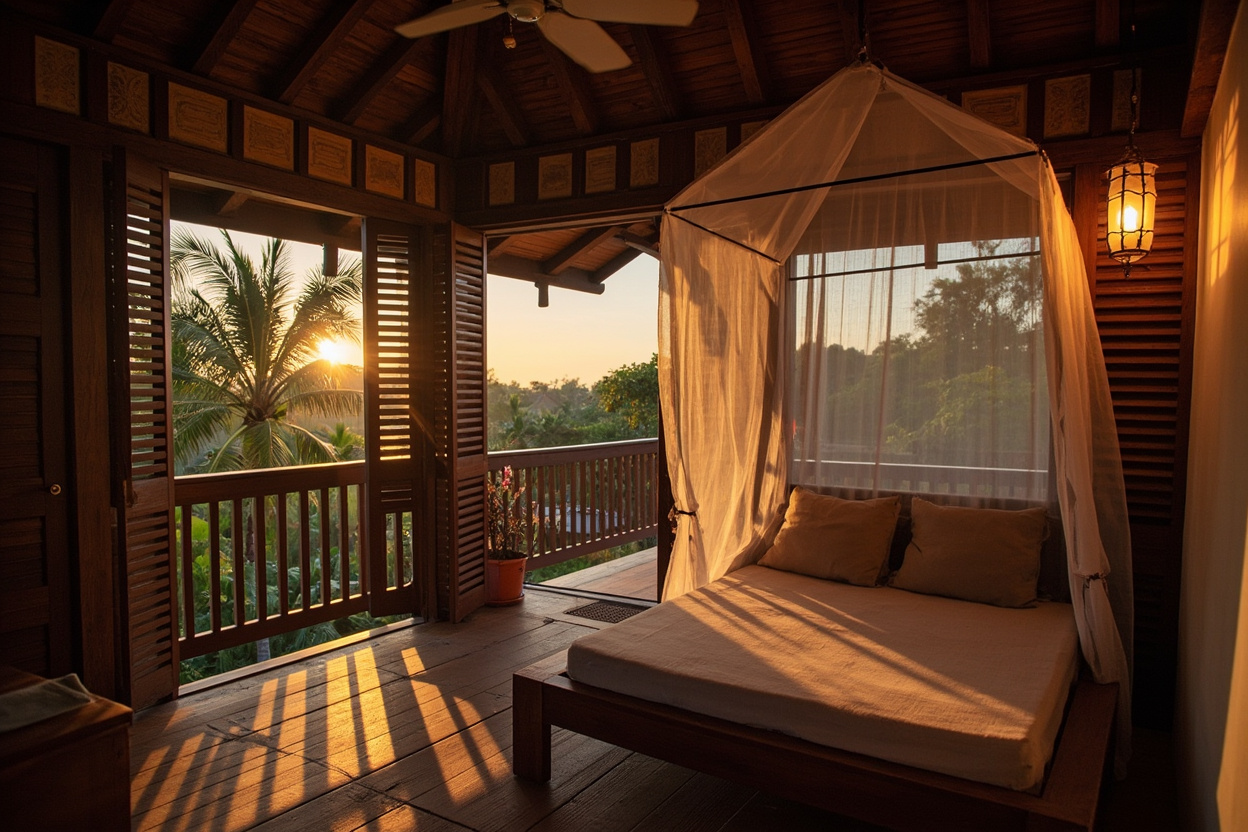
The mosquitoes that spread dengue (source: CDC Travelers' Health: Dengue, opens in a new tab), Zika (source: CDC Travelers' Health: Zika, opens in a new tab) and chikungunya (source: CDC Travelers' Health: Chikungunya, opens in a new tab) are generally most active in the daytime, including in cities and around hotels. The mosquitoes linked to malaria (source: CDC Travelers' Health: Malaria, opens in a new tab) and Japanese encephalitis (source: CDC Travelers' Health: Japanese Encephalitis, opens in a new tab) are more active from dusk into the night. Daytime cover matters as much as a bed net, and it is why open-air rooms are worth planning around.
The part nobody puts in the itinerary
Most guides stop at "apply repellent" and never mention what that means at 5 p.m. on day six. You have swum, showered and sweated through the same shirt, and the bottle is back at the hotel. Repellent sprays and lotions work when you use them, and the label tells you to reapply, which is easy to forget on a busy day. Carry-on rules also limit liquids, so a full-size bottle may not make it through security. The TSA's 3-1-1 liquids rule (source: TSA: 3-1-1 liquids rule, opens in a new tab) caps carry-on liquids at 3.4 ounces each.

A different kind of travel routine
MosquitoNoBite is a once-a-day capsule made with natural, organic, vegan ingredients. There is nothing to spray, rub in or reapply, and no liquid to fit in a carry-on bag. It is a dietary supplement scheduled to launch in 2027, and it is not a substitute for the measures CDC (source: CDC Travelers' Health: Thailand, opens in a new tab) recommends in this guide.
See launch pricingDietary supplement. These statements have not been evaluated by the Food and Drug Administration. This product is not intended to diagnose, treat, cure or prevent any disease. Talk to your healthcare provider before starting any supplement.
How travelers handle it, side by side
This compares the day-to-day routine of each approach, not how well each one works.
| Approach | How you use it | What you carry | Upkeep on the road |
|---|---|---|---|
| Repellent sprays and lotions (DEET (source: U.S. EPA: Find the Insect Repellent That Is Right for You, opens in a new tab), picaridin (source: U.S. EPA: Find the Insect Repellent That Is Right for You, opens in a new tab), oil of lemon eucalyptus (source: U.S. EPA: Find the Insect Repellent That Is Right for You, opens in a new tab)) | Apply to exposed skin and follow the label | A bottle or tube, with carry-on liquid limits | Reapply as directed, including after swimming or heavy sweating |
| Permethrin (source: CDC Travelers' Health: Avoid Bug Bites, opens in a new tab)-treated clothing and bed nets | Wear treated clothing, sleep under a net | Clothing and a net | Follow the product's care instructions and set up the net at each stay |
| Air-conditioned or screened rooms | Choose lodging that has them | Nothing | Confirm when you book |
| MosquitoNoBite daily capsule (launching 2027) | Take daily as directed on the label | A small bottle | Nothing to apply or reapply |
CDC (source: CDC Travelers' Health: Thailand, opens in a new tab) recommends EPA (source: U.S. EPA: Find the Insect Repellent That Is Right for You, opens in a new tab)-registered repellents, permethrin (source: CDC Travelers' Health: Avoid Bug Bites, opens in a new tab)-treated clothing and screened or air-conditioned rooms for preventing bites. Oral supplements are not on CDC (source: CDC Travelers' Health: Thailand, opens in a new tab)'s list of recommended measures. Ask a travel-health provider what fits your itinerary.
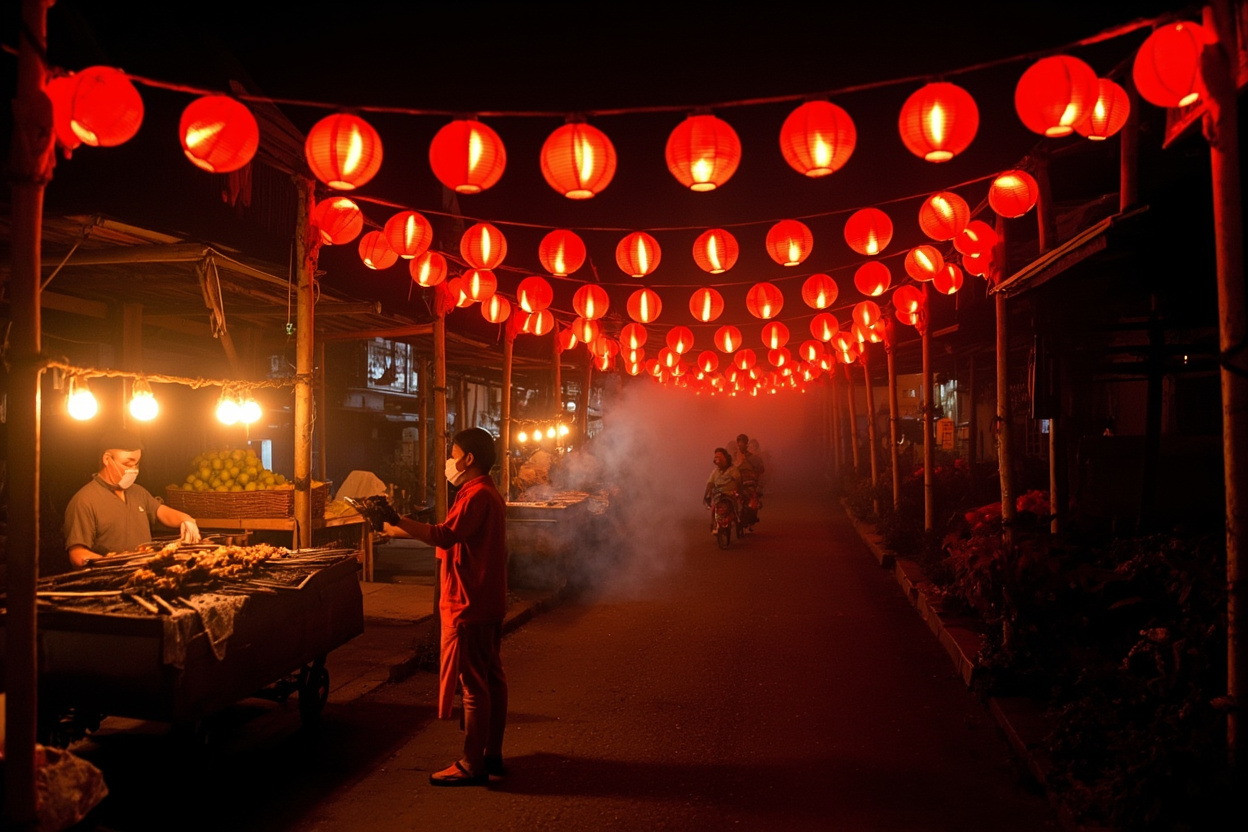
Three places, three ways to get bitten


Packing checklist for Thailand
- An EPA (source: U.S. EPA: Find the Insect Repellent That Is Right for You, opens in a new tab)-registered insect repellent. CDC (source: CDC Travelers' Health: Thailand, opens in a new tab) recommends products with 20% or more DEET (source: U.S. EPA: Find the Insect Repellent That Is Right for You, opens in a new tab), and lists picaridin (source: U.S. EPA: Find the Insect Repellent That Is Right for You, opens in a new tab) and oil of lemon eucalyptus (source: U.S. EPA: Find the Insect Repellent That Is Right for You, opens in a new tab) as alternatives. Follow the label directions.
- Lightweight long sleeves, long pants and a hat for early morning, late afternoon and evenings.
- Permethrin (source: CDC Travelers' Health: Avoid Bug Bites, opens in a new tab)-treated clothing and gear, or a permethrin (source: CDC Travelers' Health: Avoid Bug Bites, opens in a new tab) treatment kit. Do not apply permethrin (source: CDC Travelers' Health: Avoid Bug Bites, opens in a new tab) to skin.
- A travel bed net if you might stay in rooms without screens or air conditioning, such as budget lodging or rural stays.
- A list of your vaccines and any medicines your provider recommends, packed in your carry-on.
Before you go
- See a healthcare provider or travel clinic four to six weeks before departure if you can. Some vaccine series need time.
- Tell them your full route, how long you will stay, and whether you will be in rural or border areas.
- If you get a fever during or after your trip, seek medical care and mention where you traveled.
Sources and further reading
Every claim in this guide is drawn from the sources below, and each link opens in a new tab. Health notices change, so check the originals before you travel.
- CDC Travelers' Health: Thailand (source: CDC Travelers' Health: Thailand, opens in a new tab)
- CDC Travelers' Health: Dengue (source: CDC Travelers' Health: Dengue, opens in a new tab)
- CDC Travelers' Health: Zika (source: CDC Travelers' Health: Zika, opens in a new tab)
- CDC Travelers' Health: Chikungunya (source: CDC Travelers' Health: Chikungunya, opens in a new tab)
- CDC Travelers' Health: Malaria (source: CDC Travelers' Health: Malaria, opens in a new tab)
- CDC Travelers' Health: Japanese Encephalitis (source: CDC Travelers' Health: Japanese Encephalitis, opens in a new tab)
- CDC Travelers' Health: Avoid Bug Bites (source: CDC Travelers' Health: Avoid Bug Bites, opens in a new tab)
- CDC Travelers' Health: Travel Health Notices (source: CDC Travelers' Health: Travel Health Notices, opens in a new tab)
- WHO fact sheet: Dengue and severe dengue (source: WHO fact sheet: Dengue and severe dengue, opens in a new tab)
- WHO fact sheet: Zika virus (source: WHO fact sheet: Zika virus, opens in a new tab)
- WHO fact sheet: Chikungunya (source: WHO fact sheet: Chikungunya, opens in a new tab)
- WHO fact sheet: Malaria (source: WHO fact sheet: Malaria, opens in a new tab)
- WHO fact sheet: Japanese encephalitis (source: WHO fact sheet: Japanese encephalitis, opens in a new tab)
- WHO: Thailand (source: WHO: Thailand, opens in a new tab)
- U.S. Department of State: Thailand Travel Advisory (source: U.S. Department of State: Thailand Travel Advisory, opens in a new tab)
- UK FCDO: Thailand travel advice, health (source: UK FCDO: Thailand travel advice, health, opens in a new tab)
- Government of Canada: Thailand travel advice (source: Government of Canada: Thailand travel advice, opens in a new tab)
- U.S. Department of State: Smart Traveler Enrollment Program (STEP) (source: U.S. Department of State: Smart Traveler Enrollment Program (STEP), opens in a new tab)
- International Society of Travel Medicine (source: International Society of Travel Medicine, opens in a new tab)
- IAMAT: International Association for Medical Assistance to Travellers (source: IAMAT: International Association for Medical Assistance to Travellers, opens in a new tab)
- Tourism Authority of Thailand (source: Tourism Authority of Thailand, opens in a new tab)
- Thailand Department of Disease Control (source: Thailand Department of Disease Control, opens in a new tab)
- U.S. EPA: Find the Insect Repellent That Is Right for You (source: U.S. EPA: Find the Insect Repellent That Is Right for You, opens in a new tab)
- TSA: 3-1-1 liquids rule (source: TSA: 3-1-1 liquids rule, opens in a new tab)