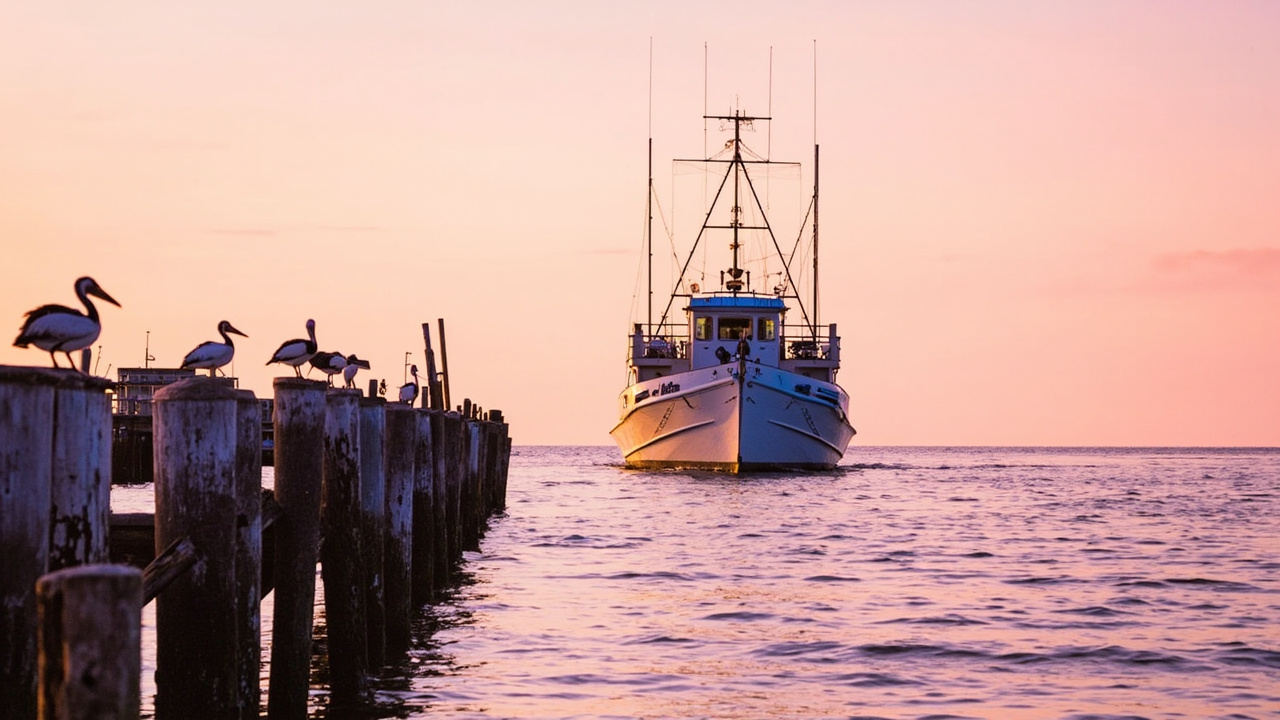
Mosquitoes on the Gulf Coast: Florida, Texas, Louisiana and the South
Warm water, wet summers and a deep habit of living outdoors. Here is what CDC (source: CDC: Guide to Preventing Mosquito Bites, opens in a new tab) and state health departments say, and why locals want an easier routine.
Ask anyone between Galveston and Gulf Shores about mosquitoes and you will hear a story. Some swear they have seen ones the size of hummingbirds. The record is more modest, though not by much: UF/IFAS (source: UF/IFAS news release: Huge, aggressive mosquito may be abundant in Florida this summer, opens in a new tab) describes the gallinipper, a floodwater mosquito found across the region, as about half an inch long. Warm, wet and full of standing water, the Gulf Coast gives mosquitoes plenty to work with, and gives people plenty of reasons to be outside anyway.
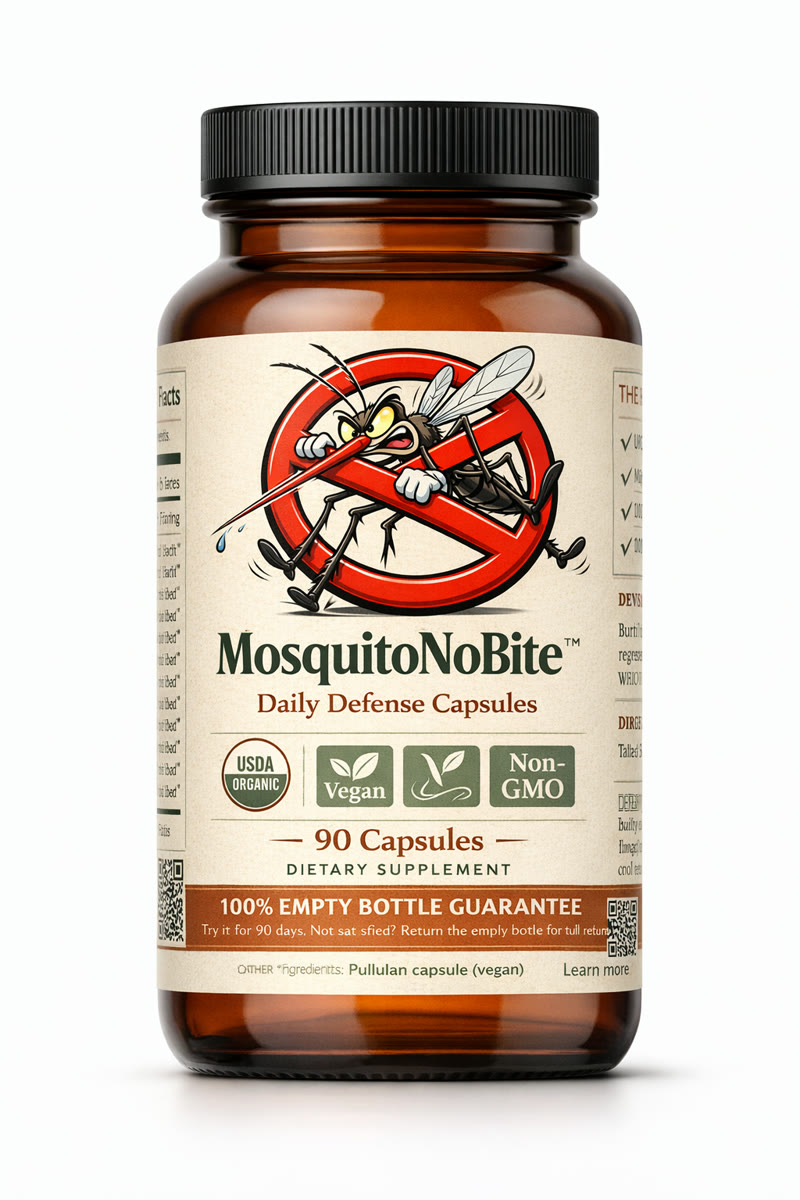
Made for the porch, the pier and the boil
A natural, organic, vegan once-a-day capsule. Nothing to spray, rub in or reapply while your hands are full.
What CDC (source: CDC: Guide to Preventing Mosquito Bites, opens in a new tab) says is in the Gulf states
West Nile virus (source: CDC: About West Nile, opens in a new tab). CDC (source: CDC: About West Nile, opens in a new tab) calls it the leading cause of mosquito-borne disease in the contiguous United States, with activity typically running from summer into fall.
Eastern equine encephalitis (source: CDC: About Eastern Equine Encephalitis Virus, opens in a new tab). Rare but serious. CDC (source: CDC: Guide to Preventing Mosquito Bites, opens in a new tab) says cases mostly occur in eastern or Gulf Coast states, with only a few reported nationally each year.
Dengue (source: CDC Travelers' Health: Dengue, opens in a new tab). CDC (source: CDC: Guide to Preventing Mosquito Bites, opens in a new tab) says limited local spread has been reported in Florida, Hawaii, Texas, Arizona and California. Its 2024 report counts locally acquired cases in Florida (85), California (18) and Texas (2). See the CDC report (source: CDC MMWR: Increase in Travel-Associated and Locally Acquired Dengue Cases, United States, 2024, opens in a new tab).
Malaria (source: CDC Travelers' Health: Malaria, opens in a new tab). In 2023, Florida reported 7 locally acquired malaria (source: CDC Travelers' Health: Malaria, opens in a new tab) cases and Texas reported 1, per a CDC health alert (source: CDC Health Alert: Locally Acquired Malaria Cases in Florida, Texas, and Maryland (2023), opens in a new tab).
Zika (source: CDC Travelers' Health: Zika, opens in a new tab) and chikungunya (source: CDC Travelers' Health: Chikungunya, opens in a new tab). CDC reports (source: CDC: Zika Cases in the United States, opens in a new tab) local Zika (source: CDC Travelers' Health: Zika, opens in a new tab) transmission in Florida and Texas in 2016 and 2017, and Florida recorded 11 locally acquired chikungunya cases in 2014 (source: CDC MMWR: Transmission of Chikungunya Virus in the Continental United States, Florida, 2014, opens in a new tab).
The usual suspects
Aedes aegypti and Aedes albopictus. CDC (source: CDC: Guide to Preventing Mosquito Bites, opens in a new tab) names Aedes aegypti as the primary vector of dengue (source: CDC Travelers' Health: Dengue, opens in a new tab), chikungunya (source: CDC Travelers' Health: Chikungunya, opens in a new tab) and Zika (source: CDC Travelers' Health: Zika, opens in a new tab), and says Aedes mosquitoes are active both day and night. See CDC's range map (source: CDC: Potential Range of Aedes Mosquitoes, opens in a new tab).
The southern house mosquito. UF/IFAS (source: UF/IFAS: Southern House Mosquito, opens in a new tab) reports Culex quinquefasciatus in all 67 Florida counties. It feeds at night and is the principal vector of St. Louis encephalitis (source: CDC: About St. Louis Encephalitis, opens in a new tab) virus in the southern U.S.
The black salt marsh mosquito. UF/IFAS (source: UF/IFAS: Black Salt Marsh Mosquito, opens in a new tab) says it emerges in large numbers after rain and flooding, accounts for a large share of Florida insecticide applications, and can carry EEE (source: CDC: About Eastern Equine Encephalitis Virus, opens in a new tab).
The gallinipper. It hatches after heavy rain, and UF/IFAS says its bite is painful but that it does not significantly transmit disease in Florida. See the Okaloosa County Extension note (source: UF/IFAS Okaloosa Extension: When the Rain Brings the Giants, opens in a new tab).

Rain, floods and hurricane season
CDC explains (source: CDC: What to Do After a Hurricane or Flood (mosquitoes), opens in a new tab) that adult mosquitoes generally do not survive hurricane winds, but floodwater mosquito eggs hatch afterward, and disease-carrying mosquitoes may increase about two weeks later. UF/IFAS says gallinipper populations can surge one to two weeks after heavy rain.
Where to check locally
State and county health departments publish current mosquito-borne disease reports. Check the one for where you live or plan to travel.
Where locals want an easier routine
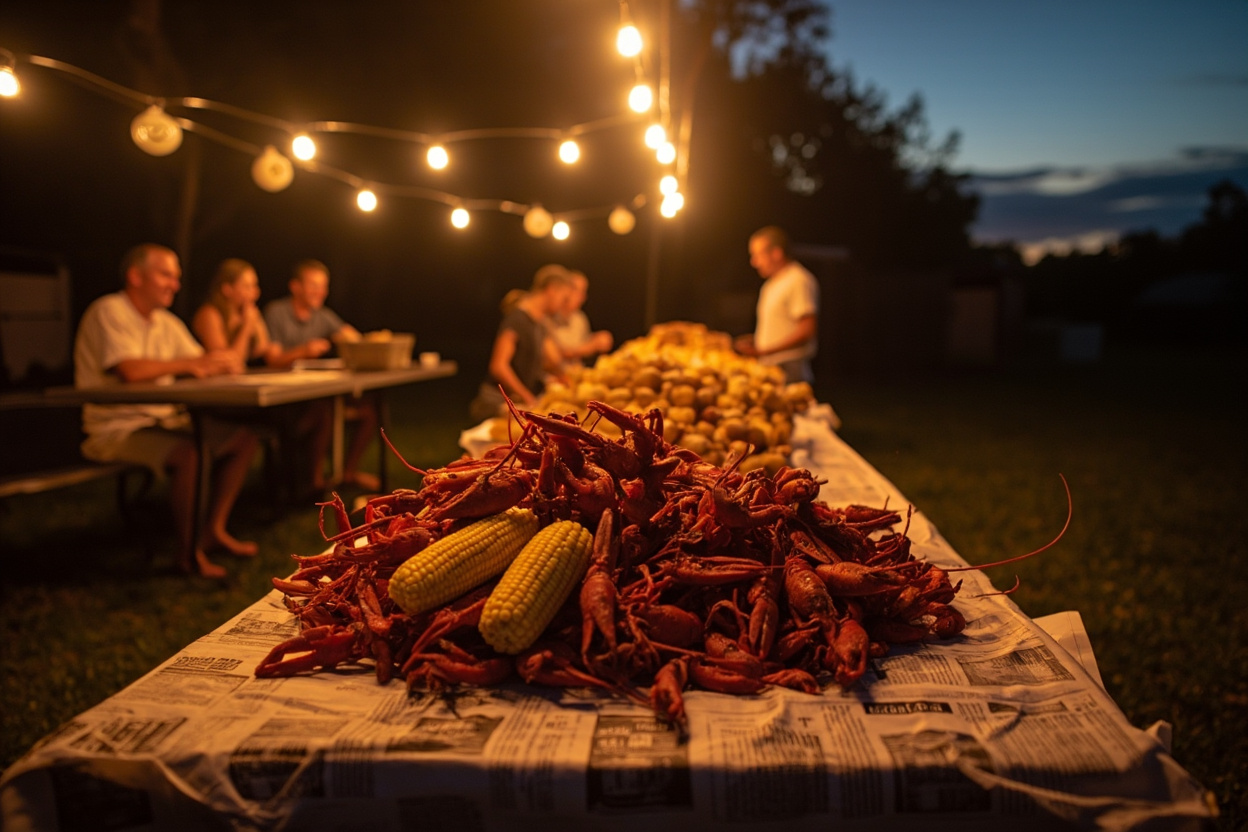
The backyard boil
Hands full, tables set under the trees. Nobody wants to stop and reapply mid-meal.
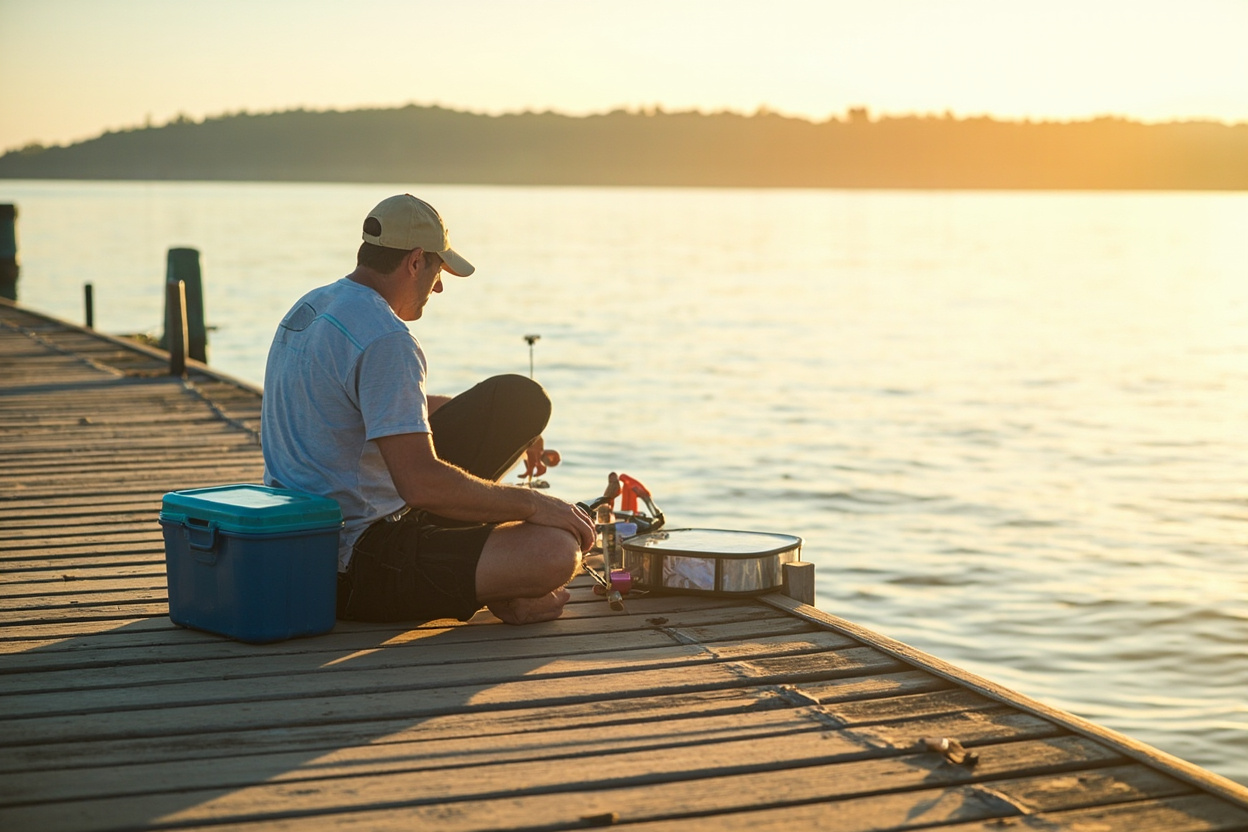
The dawn pier
Bait, rods, coffee and a cooler. One fewer bottle in the tackle box.
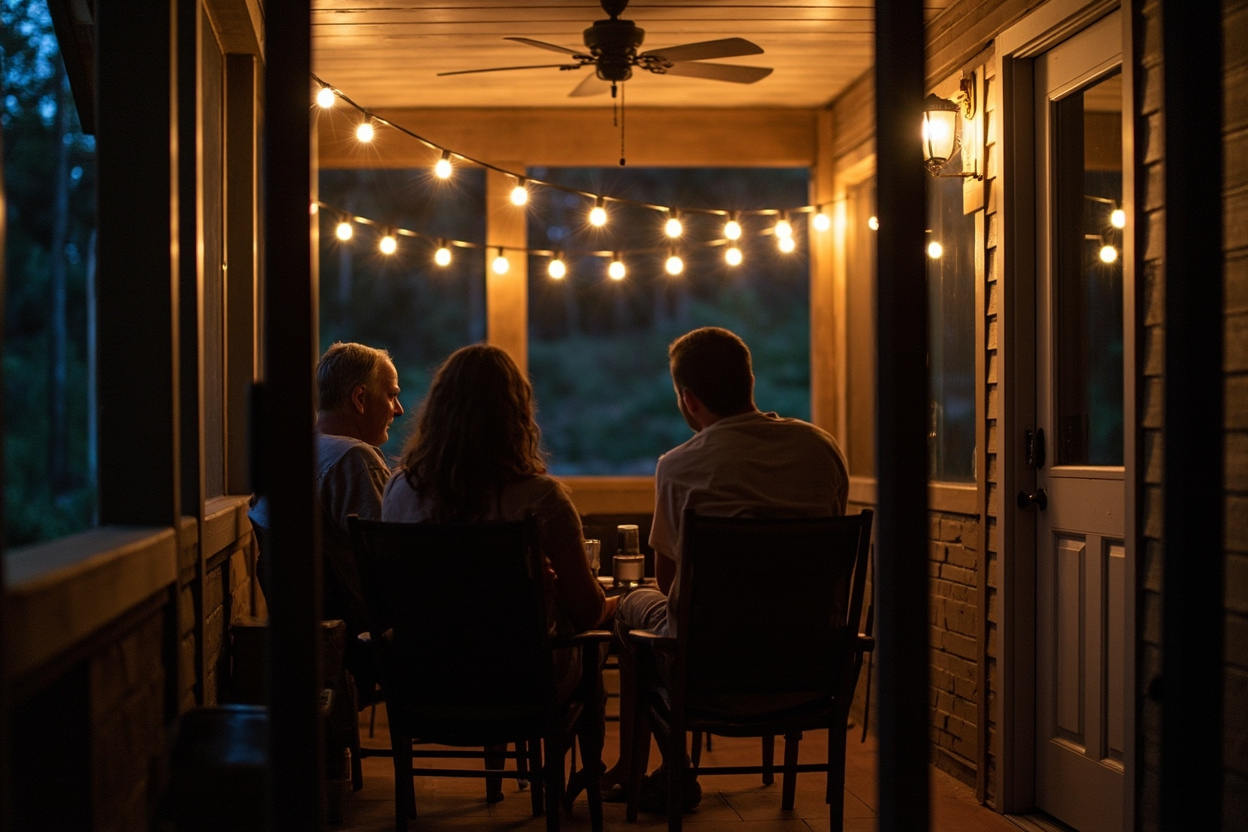
Evenings on the porch
String lights and a long conversation that should not end at dusk.

Beach days and sunsets
Sand, salt and sunscreen are already a lot to carry. A capsule adds almost nothing.
Pre-order special: buy one 90-day supply, get one free
Two 90-day supplies (180 days) for $49.95, shipping together at launch. Expected launch date March 20, 2027, subject to change. Details on the pricing page.
The routines, side by side
This compares the day-to-day routine of each approach, not how well each one works.
| Approach | How you use it | What you carry | Upkeep outdoors |
|---|---|---|---|
| Repellent sprays and lotions (DEET (source: U.S. EPA: Find the Insect Repellent That Is Right for You, opens in a new tab), picaridin (source: U.S. EPA: Find the Insect Repellent That Is Right for You, opens in a new tab), oil of lemon eucalyptus (source: U.S. EPA: Find the Insect Repellent That Is Right for You, opens in a new tab)) | Apply to exposed skin and follow the label | A bottle or tube | Reapply as directed, including after swimming or heavy sweating |
| Long sleeves, long pants and permethrin (source: CDC Travelers' Health: Avoid Bug Bites, opens in a new tab)-treated clothing | Wear it | Clothing | Follow the product's care instructions |
| Screens and removing standing water | Maintain screens, empty containers weekly | Nothing | Ongoing around the home |
| MosquitoNoBite daily capsule (launching 2027) | Take daily as directed on the label | A small bottle | Nothing to apply or reapply |
CDC's prevention guide (source: CDC: Guide to Preventing Mosquito Bites, opens in a new tab) recommends EPA (source: U.S. EPA: Find the Insect Repellent That Is Right for You, opens in a new tab)-registered repellents, loose long sleeves and pants, permethrin (source: CDC Travelers' Health: Avoid Bug Bites, opens in a new tab)-treated clothing, window and door screens, and emptying water-holding containers weekly. It says the effectiveness of non-EPA (source: U.S. EPA: Find the Insect Repellent That Is Right for You, opens in a new tab)-registered repellents is unknown. Oral supplements are not on CDC (source: CDC: Guide to Preventing Mosquito Bites, opens in a new tab)'s list of recommended measures.
Sources and further reading
Each link opens the original source in a new tab. Local conditions change, so check the originals.
- CDC: About West Nile (source: CDC: About West Nile, opens in a new tab)
- CDC: About Eastern Equine Encephalitis Virus (source: CDC: About Eastern Equine Encephalitis Virus, opens in a new tab)
- CDC: About St. Louis Encephalitis (source: CDC: About St. Louis Encephalitis, opens in a new tab)
- CDC: Data and Statistics on Dengue in the United States (source: CDC: Data and Statistics on Dengue in the United States, opens in a new tab)
- CDC MMWR: Increase in Travel-Associated and Locally Acquired Dengue Cases, United States, 2024 (source: CDC MMWR: Increase in Travel-Associated and Locally Acquired Dengue Cases, United States, 2024, opens in a new tab)
- CDC Health Alert: Locally Acquired Malaria Cases in Florida, Texas, and Maryland (2023) (source: CDC Health Alert: Locally Acquired Malaria Cases in Florida, Texas, and Maryland (2023), opens in a new tab)
- CDC: Zika Cases in the United States (source: CDC: Zika Cases in the United States, opens in a new tab)
- CDC MMWR: Transmission of Chikungunya Virus in the Continental United States, Florida, 2014 (source: CDC MMWR: Transmission of Chikungunya Virus in the Continental United States, Florida, 2014, opens in a new tab)
- CDC: Potential Range of Aedes Mosquitoes (source: CDC: Potential Range of Aedes Mosquitoes, opens in a new tab)
- CDC: What to Do After a Hurricane or Flood (mosquitoes) (source: CDC: What to Do After a Hurricane or Flood (mosquitoes), opens in a new tab)
- CDC: Guide to Preventing Mosquito Bites (source: CDC: Guide to Preventing Mosquito Bites, opens in a new tab)
- UF/IFAS: Southern House Mosquito (source: UF/IFAS: Southern House Mosquito, opens in a new tab)
- UF/IFAS: Black Salt Marsh Mosquito (source: UF/IFAS: Black Salt Marsh Mosquito, opens in a new tab)
- UF/IFAS Okaloosa Extension: When the Rain Brings the Giants (source: UF/IFAS Okaloosa Extension: When the Rain Brings the Giants, opens in a new tab)
- UF/IFAS news release: Huge, aggressive mosquito may be abundant in Florida this summer (source: UF/IFAS news release: Huge, aggressive mosquito may be abundant in Florida this summer, opens in a new tab)
- Florida Department of Health: Arbovirus Surveillance (source: Florida Department of Health: Arbovirus Surveillance, opens in a new tab)
- Texas DSHS: Mosquito-Borne Diseases (source: Texas DSHS: Mosquito-Borne Diseases, opens in a new tab)
- Louisiana Department of Health (source: Louisiana Department of Health, opens in a new tab)
- Alabama Department of Public Health: Mosquito-borne Diseases (source: Alabama Department of Public Health: Mosquito-borne Diseases, opens in a new tab)
- Mississippi State Department of Health: West Nile Virus and Other Mosquito-Borne Illnesses (source: Mississippi State Department of Health: West Nile Virus and Other Mosquito-Borne Illnesses, opens in a new tab)
- Harris County Public Health: Mosquito and Vector Control Division (source: Harris County Public Health: Mosquito and Vector Control Division, opens in a new tab)
- Florida Keys Mosquito Control District: Mosquitoes and Methods (source: Florida Keys Mosquito Control District: Mosquitoes and Methods, opens in a new tab)
- American Mosquito Control Association (source: American Mosquito Control Association, opens in a new tab)
MosquitoNoBite is a dietary supplement scheduled to launch in 2027. These statements have not been evaluated by the Food and Drug Administration. This product is not intended to diagnose, treat, cure or prevent any disease. Talk to your healthcare provider before starting any supplement.